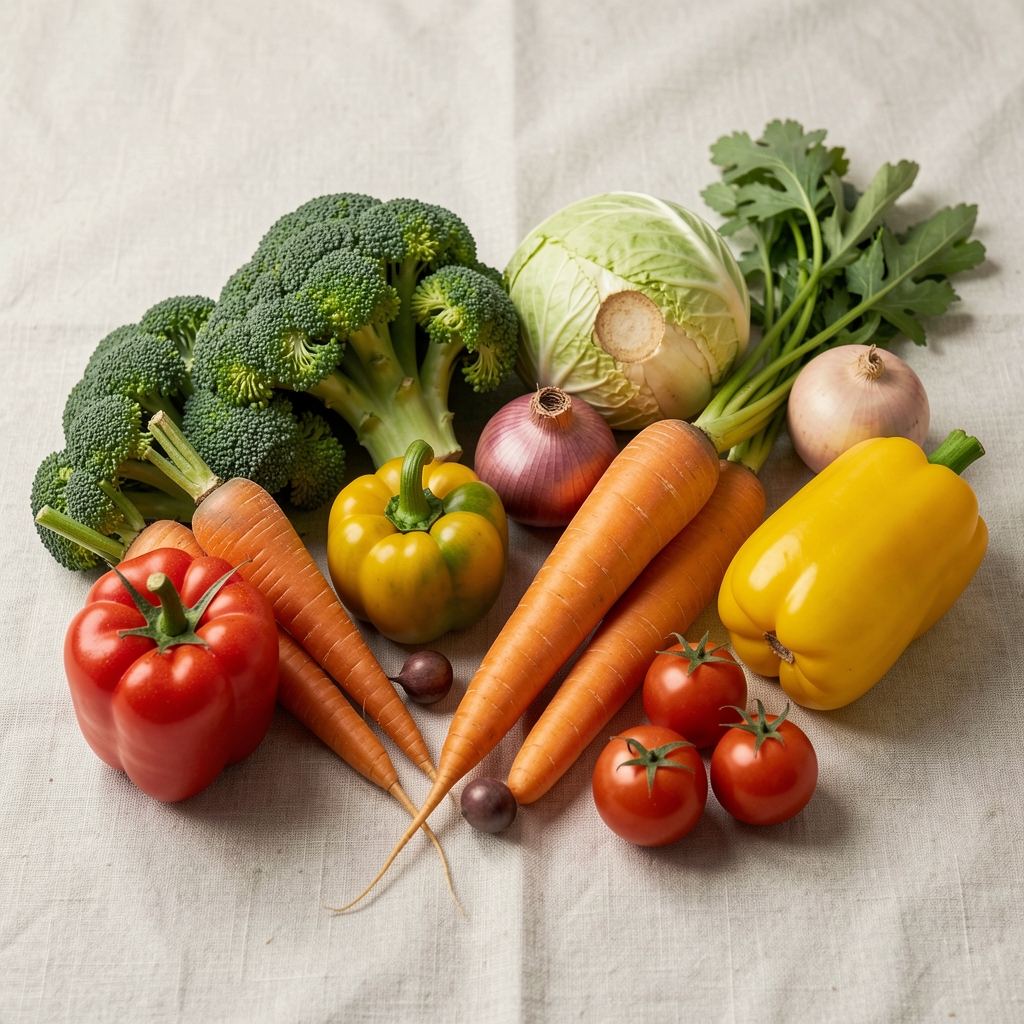
Food Choices
The Quiet Logic of Weekly Food Patterns and Weight
Eleanor Whitfield · 5 March 2026
A transparent account of how content is selected, reviewed, and presented within this publication. Seven principles, each held to.
Arelonis Compendium is an independent editorial publication focused on everyday nutrition practices and weight awareness. The publication is not affiliated with any commercial, governmental, or institutional body.
Articles published on Arelonis Compendium are editorial in nature and reflect the writers' observations on everyday nutrition practices and weight awareness. The content is not intended as professional advice, nor as guidance for the management of any specific condition. Readers with specific concerns about their daily routines are encouraged to speak with a qualified wellness professional.
The editorial scope is deliberately narrow: food choices and body weight, the rhythm of eating patterns, plant-based approaches to daily meals, and the relationship between movement and nutritional balance. Each article is written from an observational standpoint, grounded in published nutritional research and reviewed against the publication's internal standards before going live.
Writers propose topics aligned with the publication's scope: food choices and body weight, eating patterns, whole foods approaches, plant-based meals, and movement and weight balance. Proposals are assessed for editorial relevance and audience utility before assignment. Seasonal and timely angles are preferred, though not required.
Content published by Arelonis Compendium is selected based on published nutritional research and reviewed for editorial accuracy by a second editor before publication. Where peer-reviewed literature is cited, the original publication is identified by title, journal, and year. Writers are asked to distinguish between observed evidence and their own editorial commentary throughout the piece.
Arelonis Compendium operates under the following editorial principles: articles are reviewed by at least one second editor before publication, sources are cited where appropriate, corrections are noted publicly, and writers disclose any commercial relationships that could influence their selection of subject matter. The second editor checks for factual consistency, tone, and vocabulary compliance with the publication's standards.
Writers and contributors are required to declare any association with producers, brands, or organisations whose products or practices are mentioned in their articles. Such declarations appear at the foot of the article. Where no such association exists, this is noted with a standard confirmation. No undisclosed sponsored content appears on this publication.
Errors brought to the editorial team's attention are assessed within five working days. Where a factual error is confirmed, a correction note is appended to the original article, dated and marked clearly. The original erroneous text is not silently deleted. Significant corrections that affect the substance of an article's argument are noted in an editor's preface at the top of the piece.
Editorial decisions are made by the editorial team without reference to commercial relationships, advertising arrangements, or audience-growth targets. Topics are not selected to attract specific search terms or to validate particular dietary products. The publication holds that the value of food writing lies in its honest, disinterested observation of the patterns, rhythms, and habits that constitute everyday eating.
This publication does not cover specific weight management programmes, structured dietary regimes endorsed by named practitioners, or products claiming specific physiological effects. It does not publish before-and-after accounts, personal transformation narratives, or first-person weight-loss documentation. The editorial scope is nutritional observation, food culture, and the practical rhythms of daily eating — not personal performance or body-change documentation.
The publication consistently returns to the whole foods approach as a practical framework. Vegetables and fruit support nutritional variety in daily diet; whole foods contribute to sustained energy through the day; dietary fibre supports a sense of fullness between meals. These are the compositional facts of what we eat — and the publication regards them as such, without amplification.
Gradual weight change — as distinct from rapid loss — is the context in which this publication situates its food writing. The editorial view is that weight and lifestyle are inseparable, and that the most durable shifts in weight awareness arise from shifts in food relationship and daily eating patterns rather than from short-term interventions. Articles are written in this register.
Regular movement supports an active daily rhythm — this publication explores sport and active lifestyle as a companion to, not a replacement for, attentive eating. Articles on movement and weight balance address the interaction between activity level awareness and food choices, without prescribing specific programmes or endorsing particular fitness approaches.